

Best Areas to Invest in Dubai (2025–2026 Property Investment Guide)
Best Areas to Invest in Dubai in 2025-2026
Dubai’s real estate landscape has transformed dramatically over the past decade, evolving from a speculative market into one of the world’s most reliable investment destinations. The emirate’s property sector continues to attract capital from every corner of the globe, with investors recognizing the unique combination of tax advantages, lifestyle appeal, and genuine growth potential that few other markets can match.
The numbers tell a compelling story. While major Western markets grapple with stagnant yields and heavy taxation, Dubai consistently delivers rental returns that make portfolio managers take notice. But beyond the statistics lies a more nuanced picture—one where location, timing, and market knowledge separate exceptional investments from mediocre ones.
Understanding Dubai’s Real Estate Appeal in 2025
The question isn’t whether Dubai represents a solid investment opportunity—that much has been established. The real question is understanding what makes this market tick and why it continues to outperform expectations year after year.
Tax advantages that actually matter. The absence of property tax isn’t just a marketing point; it fundamentally changes the investment equation. When investors in London or New York factor in annual property taxes, maintenance costs, and various local levies, their net yields often fall below 3%. Dubai’s tax-free environment means rental income flows directly to investors, with average yields hovering between 6-8% across most segments. This isn’t a temporary benefit or a promotional scheme—it’s baked into the emirate’s economic model.
Freehold ownership for foreign buyers represents another critical differentiator. Unlike markets where property ownership comes with restrictions, conditions, or sunset clauses, Dubai offers straightforward 100% ownership in designated zones. The property belongs to the buyer, period. This clarity appeals particularly to international investors who’ve encountered bureaucratic nightmares elsewhere.
The Golden Visa factor. The UAE’s Golden Visa program has quietly become one of the market’s strongest drivers. Properties valued at AED 2 million or above qualify investors for a 10-year residency visa, complete with family sponsorship rights. For affluent families seeking Plan B options or professionals wanting Gulf region access, this residency pathway adds substantial value beyond the property itself. The visa’s utility extends beyond simple residency—it provides banking access, business setup opportunities, and educational benefits that compound the investment’s overall value.
Economic stability matters more than most realize. Dubai’s diversified economy—spanning tourism, trade, financial services, and logistics—provides a foundation that purely oil-dependent markets lack. The emirate recovered remarkably quickly from the 2020 pandemic disruption, demonstrating resilience that reassured even cautious investors. Tourism numbers continue breaking records, the airport remains among the world’s busiest, and major corporations keep establishing regional headquarters in the city.
Capital appreciation trends show consistency rather than volatility. While some markets experience dramatic spikes followed by painful corrections, Dubai’s growth trajectory has become more measured and sustainable. Areas like Business Bay and Dubai Creek Harbour have shown steady year-on-year appreciation, creating confidence among investors who’ve grown tired of rollercoaster markets.
Critical Investment Factors Worth Considering
Successful property investment in Dubai requires more than capital. The market rewards informed decision-making and punishes assumptions borrowed from other markets.
Developer reputation carries weight. Dubai’s market includes dozens of developers, but track record matters enormously. Established names like Emaar, DAMAC, Nakheel, and Sobha have proven they can deliver projects on time, maintain quality standards, and honor their commitments. Newer developers sometimes offer attractive pricing, but due diligence becomes critical. Late handovers, quality issues, or incomplete amenities can devastate ROI calculations.
Property type decisions involve trade-offs. Off-plan properties typically offer lower entry prices and flexible payment plans, with substantial appreciation potential if the location and developer prove solid. Ready properties generate immediate rental income and eliminate construction risk, but command premium pricing. The smart strategy often involves a mixed approach—off-plan acquisitions in emerging areas for capital growth, paired with ready units in established locations for cash flow.
Location determines everything. This truism applies everywhere, but Dubai’s rapid development makes location analysis more complex. Proximity to metro stations dramatically impacts rental demand. School access matters for family-oriented communities. Entertainment and dining options drive appeal in urban areas. Business district proximity influences corporate tenant interest. Each location caters to specific tenant profiles, and mismatching property type with location characteristics leads to extended vacancies and disappointing yields.
Community development timelines deserve attention. Master-planned communities often look impressive on launch, but actual amenity delivery follows phased schedules. Investors need realistic timelines for when pools, gyms, retail areas, and parks will actually open. Early buyers sometimes wait years for promised facilities to materialize, impacting rental appeal during that window.
Rental market dynamics shift by micro-location. Some areas attract long-term tenants—families, professionals on multi-year contracts—while others suit short-term rentals and holiday lets. Understanding these dynamics prevents mismatched expectations. A luxury apartment in Downtown Dubai might generate strong short-term rental income but struggle to find annual tenants at expected rates.
Downtown Dubai: The Prestige Investment
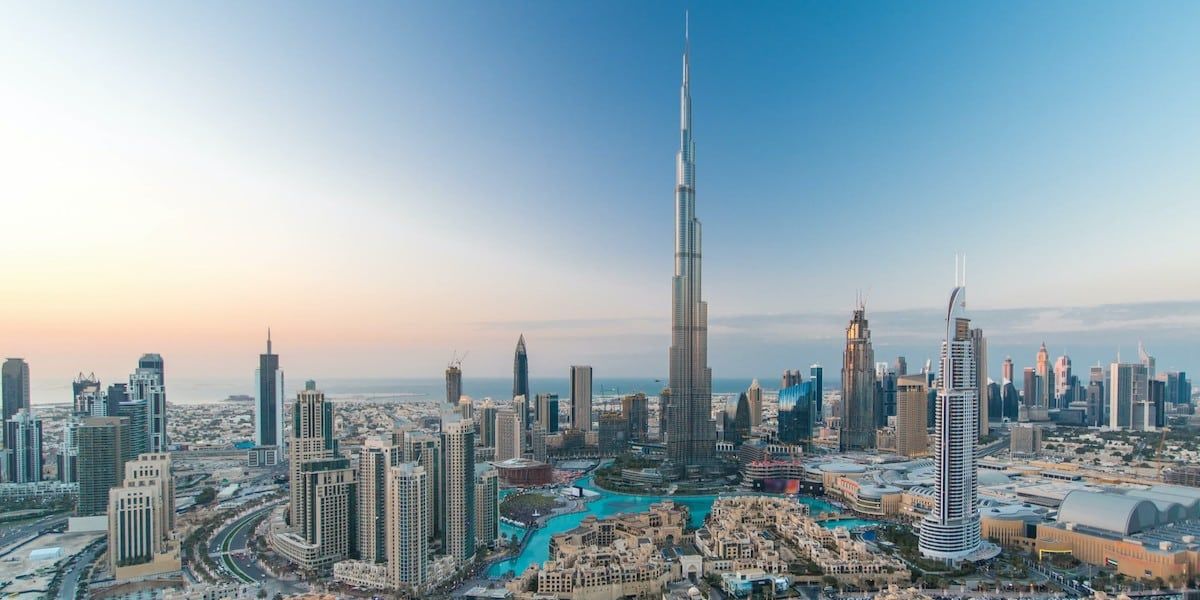
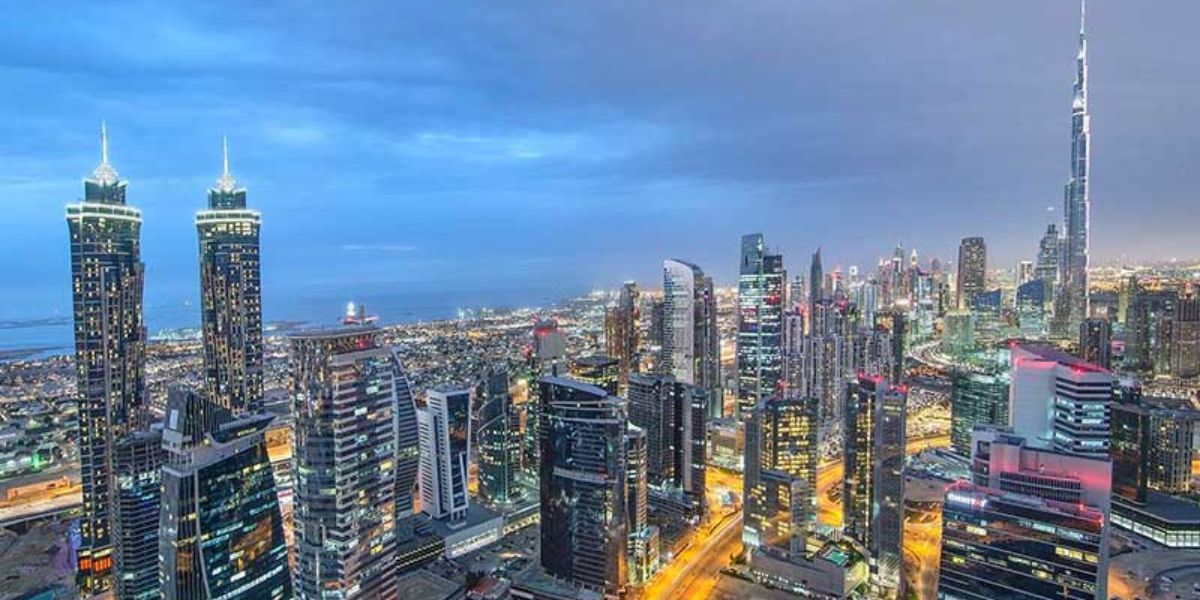
Downtown Dubai remains the undisputed icon of the emirate’s real estate market. Home to the Burj Khalifa, Dubai Mall, and Dubai Opera, this area represents the city’s global image. Properties here command premium pricing, but they deliver something intangible—instant recognizability and status that resonates worldwide.
The investment case for Downtown Dubai centers on consistent demand from affluent tenants and strong short-term rental performance. Proximity to major business districts, world-class dining and entertainment, and architectural landmarks creates year-round appeal. Rental yields typically range between 5-6%, somewhat lower than emerging areas but compensated by capital appreciation and tenant quality.
Emaar’s developments dominate this landscape, with buildings like Boulevard Heights, South Ridge, and The Address Residences representing various price points and apartment configurations. One and two-bedroom apartments remain the sweet spot for investors—large enough for professionals or small families, yet priced within reach of the substantial expatriate market.
Downtown Dubai serves particular investor profiles well. Those prioritizing capital preservation over maximum yield find comfort in the area’s established reputation. International investors who want recognizable locations for easier resale appreciate the global name recognition. The market here tends toward stability rather than explosive growth, which suits conservative portfolios.
Dubai Marina: Waterfront Living at Scale
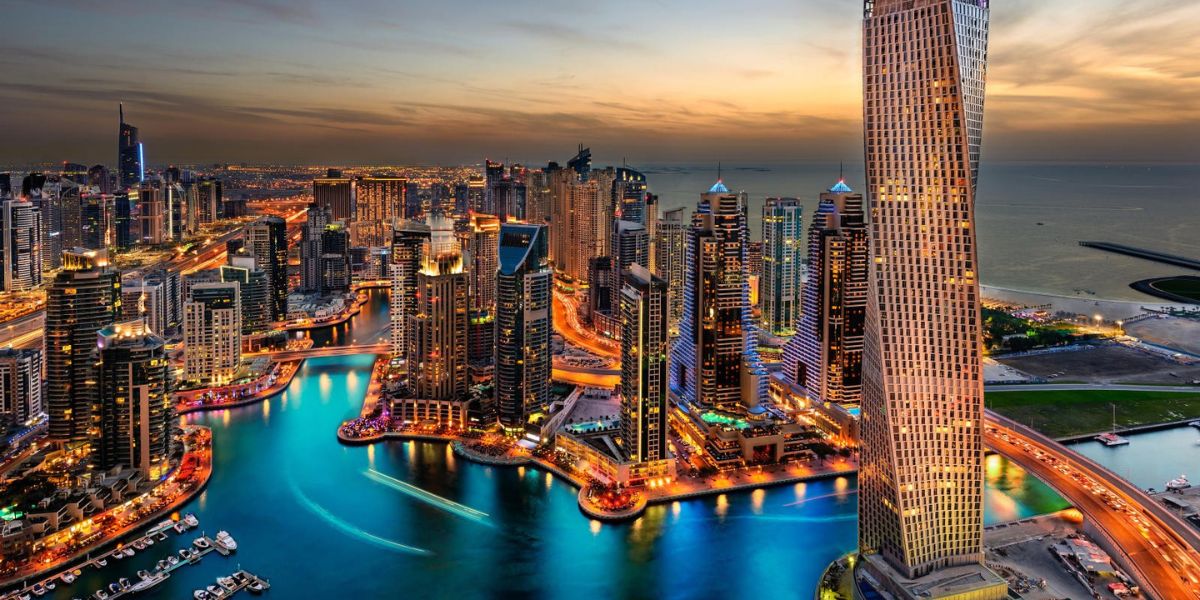
Dubai Marina transformed barren desert into a Manhattan-style waterfront community, and the result attracts both residents and investors in substantial numbers. The marina’s distinctive skyline, walkable promenade, and concentration of dining and entertainment options create a lifestyle package that few other areas match.
Investment fundamentals in Dubai Marina look compelling. Rental yields average 6-7%, supported by consistent demand from young professionals, expatriates, and tourists seeking short-term accommodation. The area’s maturity means established amenities, completed infrastructure, and proven tenant pools—risks that plague emerging areas simply don’t apply here.
The Marina’s configuration—high-rise towers surrounding an actual marina—creates natural scarcity. No additional land exists for development, which supports long-term value preservation. Properties with marina views command significant premiums, while those facing away or positioned in inner rings trade at more accessible prices.
Developers including Select Group, Emaar, and DAMAC have created diverse inventory ranging from compact studios to sprawling penthouses. Furnished apartments perform particularly well here, catering to short-term rental demand and corporate housing needs. Service charges can run high in Marina towers, so investors need accurate expense projections when calculating net yields.
Dubai Marina’s tenant profile skews younger and more transient than family-oriented communities. This creates opportunity for investors comfortable with potentially higher turnover but also requires property management capabilities to handle transitions efficiently.
Business Bay: The Emerging Powerhouse
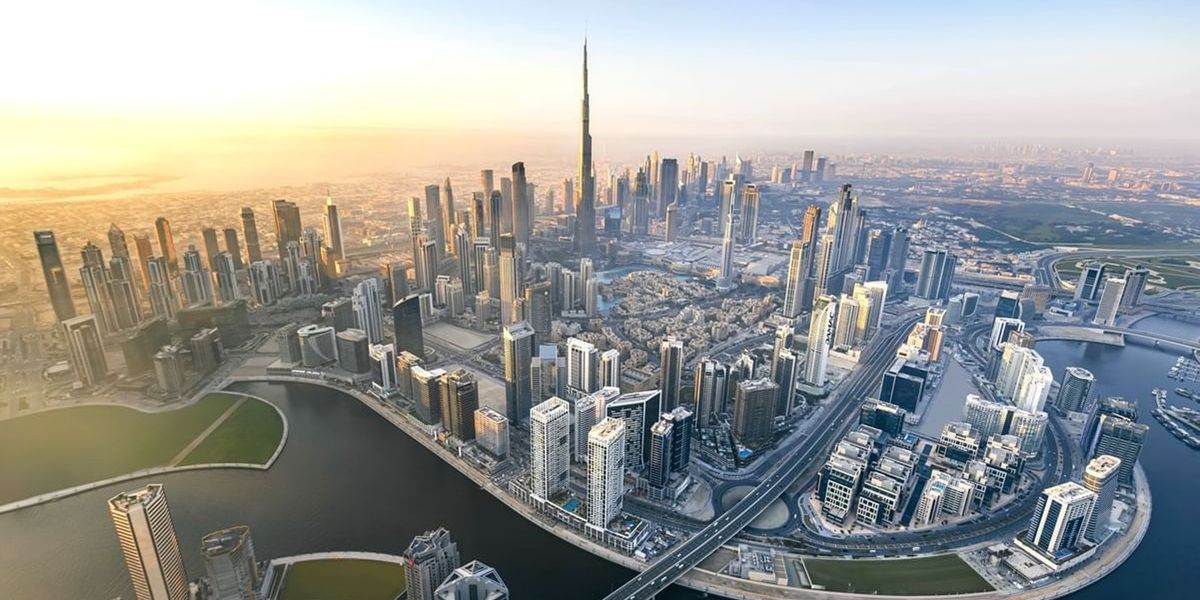
Business Bay represents a different investment proposition—an area that’s evolved from predominantly commercial into a genuine mixed-use district with substantial residential appeal. Its location between Downtown Dubai and Dubai Canal positions it perfectly for professionals working in the financial district or downtown business areas.
Rental yields in Business Bay reach 6-7%, matching Dubai Marina while often offering better value entry points. The area attracts corporate tenants, young professionals, and investors who recognize the location’s convenience and ongoing development momentum. New restaurants, cafes, and retail continue opening, improving the lifestyle quotient that initially lagged behind the area’s residential supply.
Canal-facing properties in Business Bay carry particular appeal. The Dubai Canal project added waterfront exposure and improved aesthetics dramatically. Towers like Canal Heights, Business Bay Views, and Executive Tower D overlook this water feature, combining urban convenience with aesthetic appeal.
Infrastructure improvements continue benefiting Business Bay. Metro access via Business Bay station provides connectivity, while the ongoing development of surrounding areas increases the district’s importance within Dubai’s overall layout. Properties purchased here five years ago have appreciated substantially, and the trajectory suggests further growth potential.
Investment strategies in Business Bay often favor ready properties over off-plan, given the area’s maturity and established tenant demand. Immediate rental income capture makes sense here, as most location risk has been eliminated. That said, selective off-plan opportunities from reputable developers still deserve consideration when pricing offers significant discounts.
Palm Jumeirah: Ultra-Luxury Territory
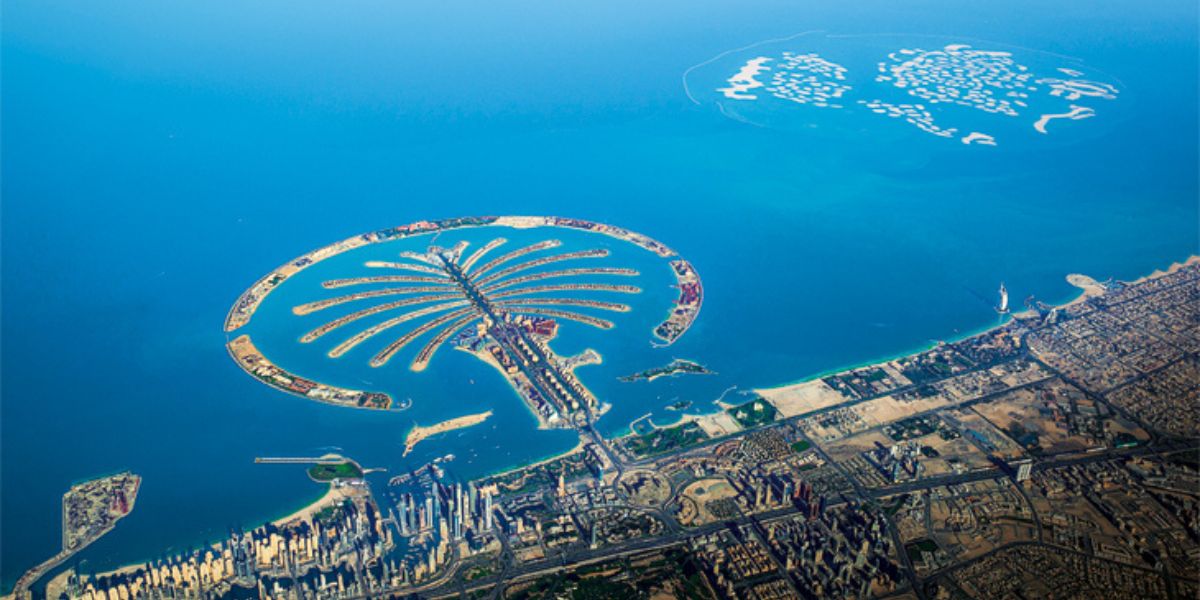
The Palm Jumeirah occupies a unique position in Dubai’s real estate hierarchy. This man-made island represents the pinnacle of luxury property ownership in the emirate, attracting ultra-high-net-worth individuals, celebrities, and investors for whom capital preservation matters more than maximum yields.
Rental yields on the Palm typically range between 4-5%, notably lower than other areas covered here. However, this comparison misses the point. Palm Jumeirah properties deliver capital appreciation, scarcity value, and prestige that transcends simple yield calculations. The island has limited inventory by its physical nature, and demand from the global wealthy continues growing.
Villas on the Palm’s fronds represent the ultimate Dubai real estate acquisition for many buyers. Private beach access, stunning Arabian Gulf views, and resort-style living combine with proximity to hotels like Atlantis, One&Only, and numerous beach clubs. Prices reflect this exclusivity, with villas routinely trading in the tens of millions of dirhams.
Apartment options on the Palm span from relatively accessible studios in older buildings to ultra-luxury branded residences. Nakheel’s various developments offer different price points, while ultra-premium projects from developers like Omniyat push boundaries with architectural statements and five-star amenities.
The Palm Jumeirah investment thesis centers on long-term value preservation and lifestyle delivery. Buyers here often maintain properties as second homes rather than pure investment vehicles. For those seeking Dubai’s ultimate address and willing to accept modest rental yields in exchange for prestige and potential appreciation, few alternatives compare.
Jumeirah Village Circle: The High-Yield Champion
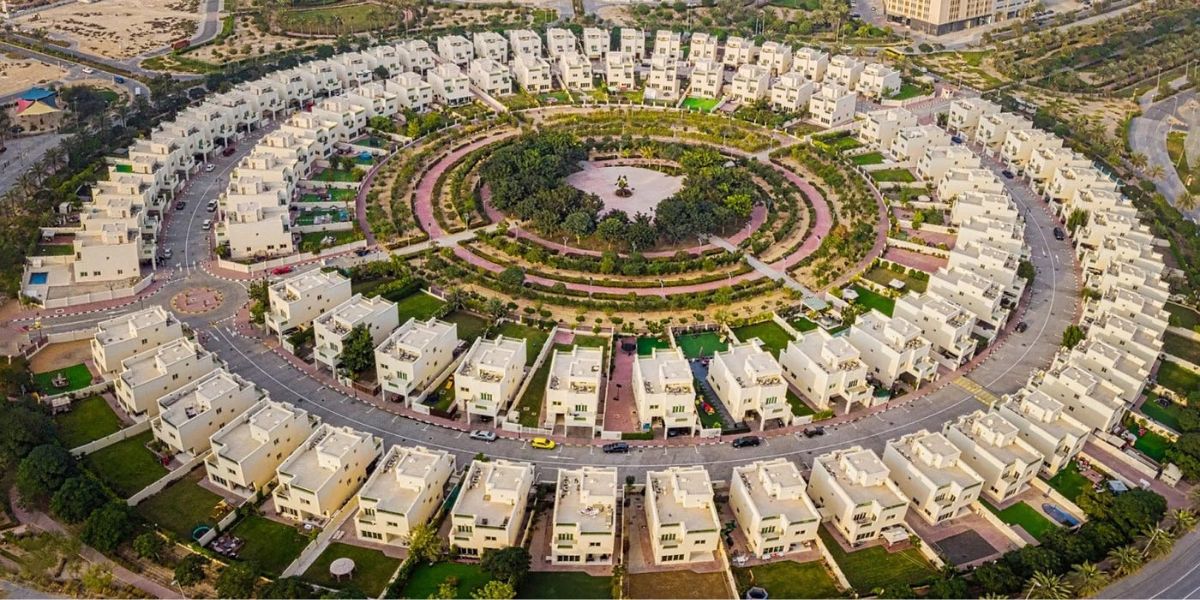
Jumeirah Village Circle operates at the opposite end of the price spectrum from Palm Jumeirah, yet it arguably represents one of Dubai’s strongest investment opportunities measured purely by numbers. This master-planned community delivers what yield-focused investors crave—affordable entry prices combined with rental returns that regularly exceed 7-8%.
JVC’s success stems from addressing middle-income housing demand—a segment often overlooked in favor of luxury developments. The community attracts young professionals, small families, and expatriates seeking quality accommodation without premium pricing. This tenant demographic creates consistent, reliable demand that translates into high occupancy rates and stable rental income.
The area’s development continues accelerating. New retail facilities, parks, schools, and amenities emerge regularly, improving livability and supporting rental growth. While JVC lacks the glamour of waterfront locations or iconic addresses, it compensates through practicality and financial performance.
Developers like Binghatti, Ellington, and DAMAC have created diverse inventory in JVC, with particular strength in studios and one-bedroom apartments. These compact units suit the area’s target demographic while keeping purchase prices accessible for first-time investors or those building portfolio scale through multiple smaller acquisitions.
JVC’s location—inland yet reasonably accessible to major business areas—represents a trade-off. Commutes run longer than from marina or downtown locations, but this distance creates the pricing arbitrage that drives high yields. Tenants accept the location trade-off because accommodation costs remain reasonable compared to more central areas.
Investment strategy in JVC often emphasizes portfolio building over single trophy assets. The math works well—acquiring three or four JVC apartments for the price of one Dubai Marina unit creates diversification, higher aggregate yields, and reduced single-asset risk.
Dubai Hills Estate: Family-Oriented Excellence
Dubai Hills Estate represents Emaar’s vision for family-oriented luxury living, and execution has met expectations. This master community combines golf course aesthetics, comprehensive amenities, and quality villa and townhouse inventory that appeals to affluent families seeking Dubai’s suburban equivalent.
Rental yields in Dubai Hills Estate typically range between 5-6%, respectable given the property types and price points involved. The area attracts family tenants, often on long-term assignments with major corporations, who prioritize school access, community safety, and lifestyle amenities over urban excitement.
The community’s layout emphasizes green spaces, parks, and outdoor areas that families value. Dubai Hills Mall provides convenient retail access, while the area’s central location—equidistant from downtown and the airport—offers practical advantages. Schools within or near the community remove a major concern for family tenants.
Villa and townhouse investments in Dubai Hills Estate suit particular investor profiles. Those targeting the family demographic recognize that these tenants typically stay longer, maintain properties better, and create more stable income streams than transient professionals in apartment buildings. The trade-off involves larger capital requirements and potentially longer sale timelines if exit becomes necessary.
Emaar and Meraas collaborate on various Dubai Hills Estate phases, ensuring development quality and delivery timelines remain reliable. Off-plan opportunities in newer phases offer payment plan advantages, while ready villas provide immediate rental capture.
The investment case for Dubai Hills Estate centers on quality over explosive returns. Appreciation follows a steady trajectory rather than dramatic spikes. For investors seeking stable, family-tenant-driven income with minimal drama, few alternatives match this community’s profile.
DAMAC Hills and Arabian Ranches: Established Villa Communities
DAMAC Hills and Arabian Ranches occupy similar market positions—mature villa communities offering golf course living and comprehensive amenities. Both target the same family demographic as Dubai Hills Estate but with established track records spanning years rather than recent completion.
Arabian Ranches, developed by Emaar, represents one of Dubai’s original master-planned communities. Its maturity shows in fully established landscaping, operational community facilities, and a settled neighborhood feel that newly completed developments lack. Villas here command premium pricing justified by proven livability.
DAMAC Hills, built around the Trump International Golf Club, offers slightly more recent vintage with varied villa styles and townhouse options. The community’s golf course centerpiece, extensive green spaces, and comprehensive facilities create appeal similar to Arabian Ranches but often at somewhat lower price points.
Rental yields in both communities range between 4-6%, varying by property size and configuration. Larger villas naturally deliver lower percentage yields given higher capital values, while townhouses at the communities’ more accessible price points generate stronger returns.
Investment in these established communities prioritizes stability and tenant quality. Families who rent here typically sign multi-year leases, maintain properties carefully, and create predictable income streams. Vacancy periods tend shorter than in apartment buildings, as families conduct deliberate housing searches rather than making quick decisions.
The villa market segment requires different management approaches than apartments. Maintenance responsibilities expand, tenant expectations differ, and the overall investment timeline typically extends longer. These properties suit investors comfortable with real estate as a medium to long-term hold rather than those seeking quick flips.
Dubai Creek Harbour: The Future Investment
Dubai Creek Harbour represents Emaar’s ambitious vision for Dubai’s next iconic waterfront district. Marketed as the “new Downtown Dubai,” this development centers on the under-construction Dubai Creek Tower, planned to exceed even the Burj Khalifa’s height. The project’s scale—larger than downtown itself—suggests transformation potential that attracts forward-looking investors.
Current rental yields in completed Creek Harbour buildings range between 5-7%, respectable given the area’s relative newness. As amenities develop and the community matures, yield stability should improve alongside capital appreciation. The investment thesis here emphasizes long-term growth over immediate returns.
Infrastructure development continues progressing. Metro expansion plans include Creek Harbour stations, which will dramatically improve connectivity. Retail facilities, schools, and entertainment venues follow phased delivery schedules. Early investors accept these growing pains in exchange for pricing advantages over fully established areas.
Emaar’s track record with Downtown Dubai provides both confidence and cautionary perspective. Downtown’s transformation took years, and early buyers endured construction disruption and incomplete amenities before realizing substantial appreciation. Creek Harbour likely follows a similar trajectory—patience required, but potentially rewarded.
Property types in Creek Harbour span from apartments to larger configurations, with architectural variety across different towers and neighborhoods. Waterfront exposure commands significant premiums, while inland units offer more accessible entry points into this emerging district.
Emerging Areas Deserving Attention
Beyond established and emerging mainstream areas, several locations deserve investor attention for 2026 and beyond.
Dubai South benefits from proximity to Al Maktoum International Airport and Expo City Dubai. The area’s master plan emphasizes mixed-use development combining residential, commercial, and logistics functions. Pricing remains accessible compared to older districts, and infrastructure investment continues. The risk involves longer timelines for area maturation and amenity delivery.
Meydan City leverages proximity to the famous Meydan Racecourse and downtown areas. Development here follows fits and starts, but strategic location between established districts suggests eventual success. Properties range from apartments to luxury villas, with various developers contributing inventory.
Tilal Al Ghaf represents Majid Al Futtaim’s entry into master-planned community development. This lagoon-centered project emphasizes sustainability and family living, with villas and townhouses surrounding water features and extensive green spaces. Early delivery phases show promise, though community completion remains years away.
Making Investment Decisions
Successful Dubai real estate investment ultimately requires aligning property characteristics with investor objectives and risk tolerance.
Yield-focused investors gravitating toward areas like JVC or Business Bay maximize rental returns but accept locations outside premium districts. Capital appreciation seekers might favor emerging areas like Creek Harbour or established prestige addresses like Downtown Dubai, accepting lower initial yields for growth potential.
Portfolio strategies often combine multiple property types and locations. A typical diversified approach might include a high-yield JVC apartment for cash flow, a Downtown Dubai property for stability and appreciation, and an off-plan Creek Harbour unit for growth speculation.
Working with knowledgeable real estate advisors makes substantial difference. Firms like Talento Real Estate provide market insights, developer relationships, and transactional support that help investors avoid costly mistakes. Their expertise proves particularly valuable for international buyers unfamiliar with Dubai’s regulatory environment and market nuances.
Why Choose Talento Real Estate
When it comes to smart and secure investments in Dubai, Talento Real Estate stands as your trusted partner.
Personalized Consultation: Tailored property recommendations to match your investment goals.
Exclusive Access: Direct partnerships with leading developers for the best offers.
Transparent Process: End-to-end support — from property selection to ownership transfer.
Multi-Language Support: Ideal for Indian, GCC, and global investors.
Contact Talento Real Estate Today:
🌐 Website: www.talentorealestate.com
📞 Phone: +971 52 837 7976
📧 Email: info@talentorealestate.com
If you’re planning to invest in Dubai real estate — let Talento Real Estate do it for you. Our experts will guide you to the most profitable areas and premium developments, ensuring maximum ROI and peace of mind.
The bottom line remains clear—Dubai’s real estate market offers genuine investment opportunities across multiple segments and price points. Success requires research, realistic expectations, and alignment between property selection and investment goals. Done properly, Dubai property investment delivers returns that few global markets can match.


